
Calcium hydrogen phosphate
3138
June 23, 2025, 10:20 AM
Руководство
Основные моменты
В статье представлены ключевые характеристики дикальций фосфата (DCP): химические и физические свойства (формула, растворимость, стабильность), технологии производства (влажный, термический, костная мука, дефторирование), основные применения — преимущественно в кормах для животных (95 %), а также в пищевой и промышленной отраслях. Приведён анализ мирового рынка (объём 4–5 млн т/год, рост 3–4 %), драйверы спроса и цепочки поставок — от фосфоритов и фосфорной кислоты до конечных потребителей в птицеводстве, свиноводстве, аквакультуре и др.
1.Chemical and Physical Properties
1.1 Chemical Identity
-
Chemical Name:
-
Calcium Hydrogen Phosphate (Dicalcium Phosphate)
-
-
Common Names:
-
DCP, Calcium Phosphate Dibasic, Secondary Calcium Phosphate
-
-
Molecular Formula:
-
CaHPO₄ (anhydrous) or CaHPO₄·2H₂O (dihydrate)
-
-
Molecular Weight:
-
Anhydrous: 136.06 g/mol
-
Dihydrate: 172.09 g/mol
-
-
CAS Number:
-
Anhydrous: 7757-93-9
-
Dihydrate: 7789-77-7
-
1.2 Physical Properties
-
Appearance:
-
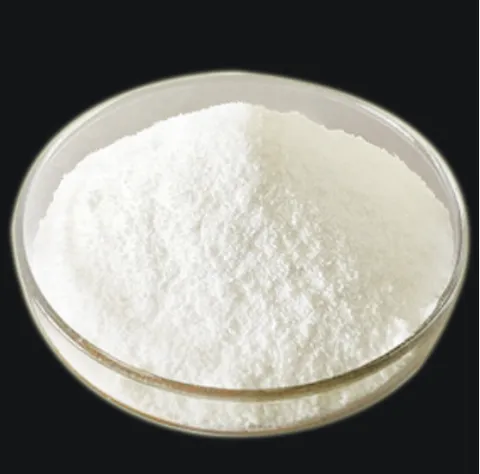
White, odorless crystalline powder or granules
-
-
Crystal System:
-
Anhydrous: Triclinic
-
Dihydrate: Monoclinic
-
-
Density:
-
Anhydrous: 2.92 g/cm³
-
Dihydrate: 2.31 g/cm³
-
-
Melting Point: Decomposes before melting at approximately 400°C
-
Solubility:
-
Water: Slightly soluble (0.02 g/100 mL at 25°C)
-
Dilute acids: Readily soluble
-
Alkaline solutions: Insoluble
-
-
pH: Neutral to slightly alkaline (pH 7.0-8.5 in saturated solution)
-
Particle Size: Typically 0.1-2.0 mm for feed applications
1.3 Chemical Properties
-
Stability:
-
Stable under normal storage conditions
-
-
Hygroscopicity:
-
Non-hygroscopic, does not absorb moisture readily
-
-
Thermal Behavior:
-
Dihydrate loses water at 109°C to form anhydrous form
-
Further heating leads to formation of calcium pyrophosphate
-
-
Chemical Reactivity:
-
Soluble in acids forming calcium and phosphate ions
-
Insoluble in alcohol and alkaline solutions
-
Compatible with most feed ingredients
-
2.Production Techonlogies
2.1 Wet Process Method(Primary Commercial Process)
The most common production method uses phosphoric acid and lime as raw materials.
-
Raw Materials:
-
Wet-process phosphoric acid (28-54% P₂O₅)
-
Lime (calcium oxide, CaO) or limestone (calcium carbonate, CaCO₃)
-
Process water
-
-
Chemical Reactions:
-
With lime: H₃PO₄ + CaO → CaHPO₄ + H₂O
-
With limestone: 2H₃PO₄ + CaCO₃ → Ca(H₂PO₄)₂ + CO₂ + H₂O
-
Followed by: Ca(H₂PO₄)₂ + CaCO₃ → 2CaHPO₄ + CO₂ + H₂O
-
-
Process Steps:
-
Acid Preparation: Phosphoric acid is diluted to required concentration
-
Neutralization: Controlled addition of calcium source to achieve proper pH (6.5-7.5)
-
Precipitation: Formation of DCP precipitate
-
Aging: Allowing crystal growth and maturation
-
Filtration: Separation of DCP from mother liquor
-
Washing: Removal of impurities and excess acid
-
Drying: Reduction of moisture content to 3-5%
-
Grinding and Sizing: Achieving desired particle size distribution
-
2.2 Thermal Process Method
Uses high-purity thermal phosphoric acid for food and pharmaceutical grades.
-
Raw Materials:
-
Thermal phosphoric acid (high purity)
-
Precipitated calcium carbonate or calcium hydroxide
-
-
Advantages:
-
Higher purity, lower heavy metal content
-
-
Applications:
-
Food grade and pharmaceutical applications
-
2.3 Bone Meal Processing(Traditional Method)
-
Source:
-
Animal bones from meat processing
-
-
Process:
-
Steam treatment, degreasing, grinding, and sterilization
-
-
Limitations:
-
BSE concerns, variable composition, declining use
-
-
Current Status:
-
Mostly replaced by synthetic DCP
-
2.4 Defluorination Process
-
Purpose:
-
Removal of excess fluorine from phosphate rock-derived products
-
-
Methods:
-
Steam treatment at high temperatures
-
Chemical treatment with lime
-
Thermal defluorination in rotary kilns
-
-
Requirement:
-
Fluorine content must be below 0.18% for feed use
-
3.Applications
3.1 Animal Feed Industry(Primary Application -95%)
-
Poultry Nutrition:
-
Essential for egg shell formation in laying hens
-
Bone development in broiler chickens
-
Metabolic functions and enzyme activation
-
Typical inclusion rates: 0.5-2.0% of feed
-
-
Swine Nutrition:
-
Critical for skeletal development in growing pigs
-
Reproduction performance in breeding sows
-
Prevents lameness and bone disorders
-
Inclusion rates: 0.5-1.5% of feed
-
-
Ruminant Nutrition:
-
Supplementation for high-producing dairy cows
-
Growing cattle and sheep requirements
-
Pasture-based systems with low phosphorus soils
-
Typical inclusion: 0.2-1.0% of total ration
-
-
Aquaculture:
-
Fish and shrimp feed formulations
-
Bone and scale development
-
Metabolic support in intensive farming systems
-
Specialized marine and freshwater applications
-
3.2 Food Industry Applications(3-4%)
-
Food Additive (E341ii):
-
Leavening agent in baking applications
-
pH regulator and buffering agent
-
Anti-caking agent in powdered foods
-
Nutritional supplement in fortified foods
-
-
Specific Food Uses:
-
Baking powders and cake mixes
-
Breakfast cereals and flour fortification
-
Infant formula and nutritional products
-
Pharmaceutical tablet excipient
-
3.3 Industrial Applications (1-2%)
-
Ceramics and Glass:
-
Flux material in ceramic glazes
-
Opacity agent in glass production
-
Dental and bone porcelain manufacturing
-
-
Chemical Industry:
-
Intermediate for other phosphate chemicals
-
Catalyst support material
-
Flame retardant systems
-
-
Environmental Applications:
-
Water treatment for phosphorus removal
-
Soil remediation and heavy metal stabilization
-
4.Market Analysis
4.1 Global Market Overview
-
Market Size:
-
Approximately 4-5 million metric tons annually
-
-
Market Value:
-
$2.5-3.0 billion USD globally
-
-
Growth Rate:
-
3-4% CAGR driven by expanding livestock production
-
-
Regional Distribution:
-
Asia-Pacific: 45% (China, India, Southeast Asia)
-
Europe: 25% (major livestock producing countries)
-
North America: 15% (USA, Canada)
-
Latin America: 10% (Brazil, Argentina, Mexico)
-
Others: 5%
-
4.2 Market Dynamics
-
Demand Drivers:
-
Growing global meat consumption and protein demand
-
Expansion of intensive livestock and poultry production
-
Increasing awareness of animal nutrition optimization
-
Aquaculture industry growth
-
Feed efficiency and animal welfare requirements
-
-
Supply-Side Factors:
-
Phosphate rock availability and quality
-
Sulfuric acid costs for phosphoric acid production
-
Energy costs for processing operations
-
Environmental regulations and compliance costs
-
Transportation and logistics costs
-
-
Market Challenges:
-
Regulatory restrictions on phosphorus in animal waste
-
Competition from alternative phosphorus sources
-
Raw material price volatility
-
Quality consistency and contamination issues
-
Sustainability and environmental concerns
-
5.Upstream and Downstream Linkages
5.1 Upstream Linkages (Raw Materials and Supply Chain)
-
Phosphoric Acid Supply:
-
Phosphate Rock Mining: Primary raw material source
-
Major suppliers: OCP (Morocco), Mosaic (USA), PhosAgro (Russia)
-
Quality requirements: Low fluorine, heavy metals content
-
-
Wet-Process Phosphoric Acid Production:
-
Sulfuric acid requirement for rock acidulation
-
Integration with fertilizer phosphoric acid production
-
Purification processes for feed-grade applications
-
-
-
Calcium Sources:
-
Limestone Mining: High-purity calcium carbonate sources
-
Lime Production: Calcination of limestone to calcium oxide
-
Precipitated Calcium Carbonate: For high-purity applications
-
Quality Requirements: Low heavy metals, consistent composition
-
-
Supporting Materials and Services:
-
Utilities: Steam, electricity, compressed air
-
Water Treatment: Process water purification systems
-
Filtration Equipment: Filter presses, centrifuges
-
Drying Equipment: Rotary dryers, flash dryers
-
Packaging Materials: Bulk bags, containers, pallets
-
5.2 Downstream Linkages (Markets and Distribution)
-
Feed Industry Integration:
-
Feed Manufacturers:
-
Integrated poultry and livestock companies
-
Independent feed mills and cooperatives
-
Specialty aquaculture feed producers
-
Pet food manufacturers
-
-
-
Distribution Channels:
-
Direct Sales: Large feed manufacturers and integrators
-
Distributors and Traders: Regional feed ingredient suppliers
-
Agricultural Cooperatives: Farmer-owned distribution networks
-
Specialty Suppliers: Aquaculture and organic feed sectors
-
-
End-User Segments:
-
Poultry Industry:
-
Broiler integrators (Tyson, JBS, Cargill)
-
Layer operations and egg producers
-
Turkey and waterfowl producers
-
-
Swine Industry:
-
Integrated pork producers
-
Independent pig farmers
-
Breeding stock companies
-
-
Dairy and Beef:
-
Commercial dairy operations
-
Beef feedlot operations
-
Range and pasture supplementation
-
-
Aquaculture:
-
Salmon and fish farming operations
-
Shrimp farming enterprises
-
Specialized fish feed manufacturers
-
-
-
Value-Added Services:
-
Technical Support: Animal nutritionist consultation
-
Quality Assurance: Analytical testing and certification
-
Logistics Services: Just-in-time delivery, bulk handling
-
Custom Blending: Premix and mineral mix formulations
-
-
Regulatory and Quality Systems:
-
Feed Safety Regulations: FDA, EU feed regulations compliance
-
Quality Standards: ISO, HACCP, GMP certifications
-
Traceability Systems: Supply chain tracking and documentation
-
Sustainability Certifications: Responsible sourcing programs
-
-
Market Intelligence and Innovation:
-
Research and Development: New product formulations
-
Market Research: Feed industry trends and demands
-
Technology Transfer: Processing improvements and efficiency
-
Strategic Partnerships: Joint ventures and alliances
-
Больше новостей о закупках
76741
July 4, 2025
72949
July 10, 2025
70944
July 10, 2025
63857
July 4, 2025
60965
July 10, 2025