
Monocalcium Phosphate
3687
March 21, 2025, 10:00 AM
Руководство
Основные моменты
Монофосфат кальция (Ca(H₂PO₄)₂·H₂O) — высокобиодоступный источник фосфора (18–21%) и кальция (15–18%), обладающий кислой реакцией (pH 3,0–4,5), хорошей растворимостью в воде и кислой среде, термостабильностью и нейтральной палатабельностью. Широко применяется в кормах для моногастричных животных, аквакультуры, жвачных и специализированных кормов, а также в пищевой, сельскохозяйственной и промышленной отраслях. Ключевые преимущества: повышение прироста живой массы, укрепление скелета, улучшение иммунитета и качества продукции, снижение экологической нагрузки при использовании с фитазой. Требует контроля качества, влажности (<1,5%), содержания тяжёлых металлов и соблюдения условий хранения.

1.Product Characteristics
1.1 Basic Properties and Physicochemical Characteristics
-
Chemical Name: Calcium Dihydrogen Phosphate, Monocalcium Phosphate
-
Molecular Formula: Ca(H₂PO₄)₂·H₂O or Ca(H₂PO₄)₂
-
Molecular Weight: 252.07 g/mol (monohydrate)
-
Physical state:
-
White crystalline powder or granules
-
Odorless or with a slight acidic odor
-
Commercial grades typically available in powder, granular, or microgranular forms
-
-
Solubility
-
Moderate solubility in cold water (approximately 1.8g/100ml at 25°C)
-
Increased solubility in hot water
-
Enhanced solubility in acidic media
-
Insoluble in organic solvents
-
-
Stability
-
Good chemical stability under dry conditions.
-
May absorb moisture when relative humidity exceeds 80%.
-
Decomposes at high temperatures (> 200°C).
-
May form lumps during prolonged storage.
-
-
Acid-Base Properties
-
Aqueous solutions are acidic, with pH values of approximately 3.0-4.5 (10% solution).
-
Possesses certain buffering capacity.
-
1.2 Performance Characteristics
-
High Bioavailability
-
Phosphorus Bioavailability ranges from 65-80%, higher than many other inorganic phosphorus sources.
-
-
Good Solubility
-
Excellent solubility under acidic intestinal conditions, facilitating animal absorption.
-
-
Dual Nutritional Value
-
Simultaneously provides essential phosphorus(P) and calcium (Ca) elements for animals, with a calcium-to-phosphorus ratio of approximately 1:2.8
-
-
Reliable Standardization
-
Stable product standards with consistent nutrient content, ensuring feed formulation precision.
-
-
Processing Adaptability
-
Good thermal stability without affecting pelleting processes, suitable for various feed processing technologies.
-
-
Compatibility with Other Nutrients
-
Good compatibility with most vitamins, minerals, and other feed additives.
-
-
Neutral Palatability
-
Does not affect feed palatability or reduce animal feed intake.
-
-
High Purity Options
-
Feed grade typically contains phosphorus(P) 18-21% calcium (Ca) 15-18%, with low heavy metal and impurity content.
-
2.Main Applications
2.1 Feed Applications
2.1a Monogastric Animal Feed
-
Primary phosphorus source in swine feed, typically added at 0.5-1.5%.
-
Used in poultry feed to improve phosphorus utilization, typically added at 0.8-2.0%.
-
Added to pet food to ensure skeletal health, with addition rates of 0.3-0.8%.
2.1b Aquaculture Feed
-
Added to fish feed at 1.0-2.5% to promote growth and skeletal development.
-
Used in shrimp and crab feed for shell formation, with addition rates of 1.5-2.0%.
-
Provides critical mineral elements for commercial aquaculture.
2.1c Ruminant Supplementation
-
Phosphorus source in dairy cattle mineral premixes, with addition rates varying by need.
-
Supplementation in beef cattle and sheep feed, typically added at 0.3-1.0% in compound feed.
-
Used in lick blocks and mineral supplements for free-choice feeding.
2.1d Specialty Function Feed
-
Addition rates up to 2% in feeds for young animals such as piglets and chicks to meet rapid growth requirements.
-
Used in laying hen feed for eggshell formation, with addition rates of 1.0-1.8%.
-
Promotes reproductive performance in breeding stock, typically added at 0.8-1.5%.
2.2 Other Applications
2.2a Food Industry
-
Used as a food acidulant and leavening agent.
-
Calcium fortifier in certain dairy products.
-
Used as a phosphate additive in meat products.
2.2b Agricultural Applications
-
Used as a soluble phosphate fertilizer for high-value economic crops.
-
Nutrient source in hydroponic and soilless cultivation systems.
-
Phosphorus and calcium source in nutrient solution formulations.
2.2c Specialized Industrial Uses
-
Used in the manufacture of certain ceramic and glass products.
-
Used in dental materials and toothpaste formulations.
-
Calcium and phosphorus supplement in certain pharmaceutical preparations.
3.Critical Factors
3.1 Factors Affecting Efficacy
3.1a Product Quality
-
Heavy metal content (particularly fluorine, arsenic, lead, cadmium) should comply with feed-grade standards.
-
Particle size and distribution affect mixing uniformity and dissolution rate.
-
Moisture content should typically be controlled below 1.5% to prevent caking.
3.1b Feed Formulation Factors
-
Total Calcium and phosphorus levels and ratios in feed
Ideal calcium-to-phosphorus ratios vary by animal species and growth stage.
-
Vitamin D levels
Affects phosphorus absorption and utilization, recommended to adjust vitamin D addition based on phosphorus levels.
-
Phytase Usage
Synergistic use with phytase can improve phosphorus utilization.
3.1c Animal Factors
-
Animal species and physiological stage
Different animals have substantially different phosphorus requirements.
-
Growth rate and production performance
High-producing animals have higher phosphorus requirements.
-
Health status
Certain diseases may affect phosphorus absorption and metabolism.
3.1d Environmental and Management Conditions
-
Water Quality
High calcium in water can affect phosphorus absorption
-
Stocking Density
Influences feed intake and growth rate.
-
Feeding methods
Free-choice feeding or restricted feeding affects phosphorus intake.
3.2 Management Considerations
3.2a Usage Control
-
Excessive use increases costs and may lead to environmental pollution.
-
Addition rates should be precisely calculated based on the needs of different animal species and growth stages.
-
Regular monitoring of animal growth performance and health status to adjust usage.
3.2b Environmental Impact Consideration
-
Rational use to avoid excessive phosphorus discharge causing environmental pollution.
-
Combined use with phytase can reduce total phosphorus content in feed and excretion.
-
Special attention to total phosphorus usage in environmentally sensitive areas.
3.2c Safe Handling
-
Despite low toxicity, dust may irritate respiratory tract and eyes.
-
Recommended to wear masks and protective eyewear when handling.
-
Avoid co-storage with strong bases, certain metal powders, and reactive substances.
3.2d Quality Control and Storage
-
Store in dry, cool, well-ventilated areas, avoiding high temperature and humidity.
-
Avoid mixing with other chemicals during storage.
-
Recommended to use sealed containers to prevent moisture absorption and caking.
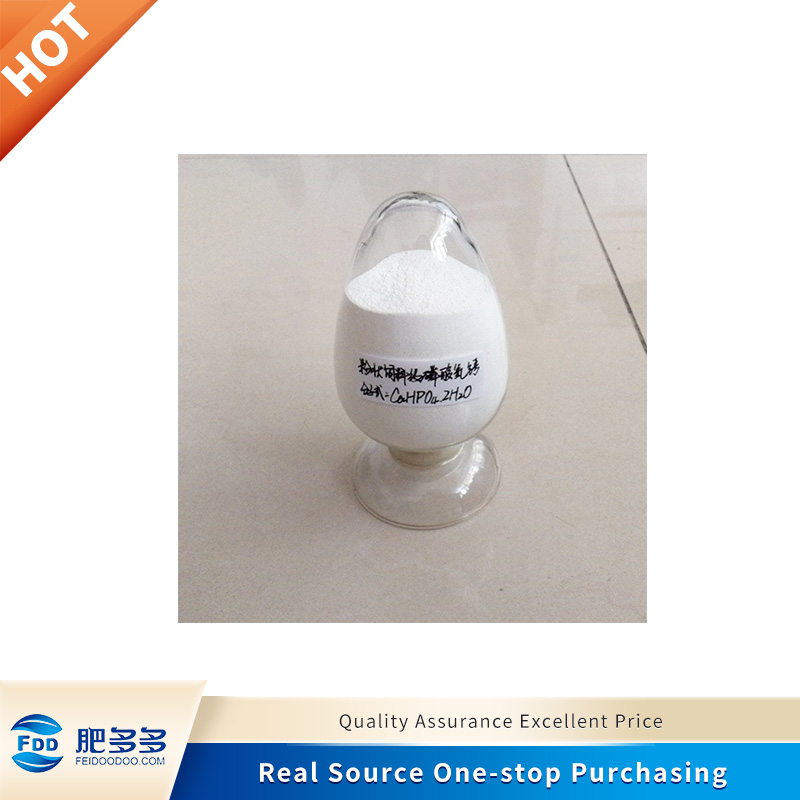
MDCP21% Granular Mono-Dicalcium Phosphate (МДЦФ)
$ 398
/MT
MOQ: 1MT
Product Model: 21% Granular
Профиль поставщика
Ningbo Feidoodoo E-Commerce Co., Ltd
Создание: 2019-10-10
Размер компании: 500
Оптимальная цена
4.Industry Benefits
4.1 Animal Production Benefits
4.1a Improved Growth Performance
-
Appropriate addition can increase daily weight gain in growing pigs by 5-12%.
-
Feed conversion ratio during broiler growth periods can improve by 3-8%.
-
Milk production in lactating dairy cows can increase by 3-7%.
4.1b Enhanced Skeletal Development
-
Reduces incidence of rickets in young animals.
-
Lowers risk of osteoporosis caused by cage-rearing in laying hens.
-
Improves reproductive lifespan and production cycles of breeding stock.
4.1c Strengthened Immune Function
-
Phosphorus as a key element in energy metabolism and nucleic acid synthesis affects immune cell function.
-
Appropriate phosphorus levels can reduce disease incidence and mortality rates.
-
Improves animal resistance under stress conditions.
4.1d Improved Product Quality
-
Enhances meat quality and improves lean meat percentage.
-
Increases eggshell strength and egg quality.
-
Improves milk protein and milk fat percentages during dairy cow lactation.
4.2 Economic and Environmental Benefits
4.2a Cost-Benefit Analysis
-
Although unit price may be higher than some other phosphorus sources, actual usage cost is competitive due to high bioavailability.
-
Each monetary unit invested in monocalcium phosphate can generate a 3-5 unit return(based on general animal husbandry data)
-
Reduced phosphorus discharge can lower environmental remediation costs.
4.2b Environmental Impact
-
Compared to less efficient phosphorus sources, can reduce phosphorus discharge by 15-30%.
-
Combined with precision feeding and phytase usage, can significantly reduce phosphorus pollution of water bodies.
-
Reduces the impact of phosphorus overloading on soil and aquatic ecosystems.
4.2c Resource Utilization Efficiency
-
Improves phosphorus resource utilization efficiency, reducing consumption of non-renewable resources like phosphate rock.
-
Indirectly conserves grain and other feed resources by improving feed conversion ratio.
-
Supports circular agriculture and sustainable livestock industry development.
5.Industry Chain Analysis
5.1 Upstream Industry
5.1a Raw Material Sources
-
Main raw materials include phosphate rock, sulfuric acid, and lime/limestone.
-
Phosphoric acid is required as an intermediate product in the production process.
-
Global phosphate rock resources are unevenly distributed, mainly concentrated in Morocco, China, United States, Russia, etc.
5.1b Production Technology
-
Wet Process
Uses phosphate rock as raw material, processed through sulfuric acid decomposition, neutralization, crystallization, drying ,etc.
-
Neutral Process
Uses phosphoric acid and calcium carbonate as raw materials, produced through precisely controlled pH reactions.
-
Thermal Process
Some regions use electric furnace methods to produce high-purity products.
5.1c Major Production Enterprises
-
International Enterprises: Mosaic, OCP Group, EuroCHem, etc.
-
Chinese Enterprises: Yunnan Yuntianhua, Hubei Yihua, Guizhou Phosphate, Sichuan Meifeng, etc.
-
Capacity Distrubution: global capacity approximately 8 million tons/year, with China accounting for about 40% of global capacity.
5.2 Downstream Applications
5.2a Feed Processing Enterprises
-
Large Feed Enterprises
Typically purchase large batches directly from manufacturers.
-
Small and medium-sized feed mills
Typically purchase through distributor networks.
-
Premix Factories
Added to premixes as key mineral elements.
5.2b End Users
-
Large-scale animal farming enterprises
Typically use customized formula feeds
-
Small and medium-scale farmers
Obtain required phosphorus sources through finished feeds.
-
Specialty Farming Industries
Adjust usage based on specific animal requirements
5.2c Market Trends
-
Price Fluctuations
Significantly affected by raw material prices and energy costs.
-
Increasing quality standards
Increasingly stringent requirements for heavy metal limits and effective component content.
-
Green Trend
Greater focus on environmentally friendly and resource-conserving product development.
5.2d Regional Differences
-
Developed country markets
Greater emphasis on product quality and environmental impact.
-
Developing country markets
High price sensitivity with great market growth potential
-
Emerging markets
Aquaculture and specialty farming becoming new growth points.

Больше новостей о закупках
76735
July 4, 2025
72945
July 10, 2025
70937
July 10, 2025
63853
July 4, 2025
60964
July 10, 2025